By Kristina Gabalski
October is Bat Appreciation Month, and the final week in October is Bat Week, so now is a great time to think about bats and gardening.
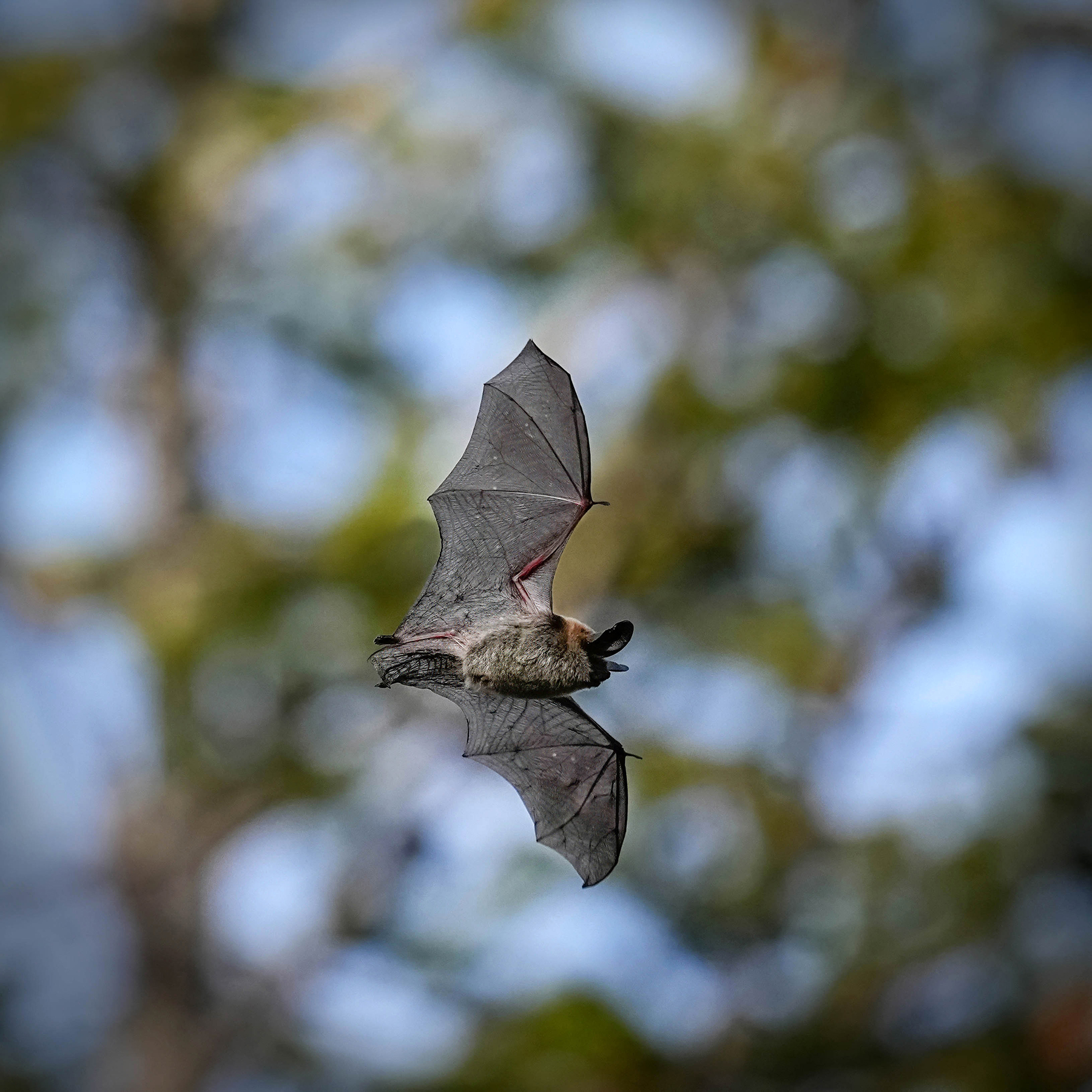
Bats are mammals of the group called Chiroptera – meaning hand-wing. They are the only mammals truly capable of powered flight. The bats that live in our area are insectivores, and Penn State University says they take insects while in flight – often catching them on the skin between their legs. Bats then transfer the insect to their mouths, where sharp teeth break the food down into tiny bits. A bat can consume 25 percent of its weight in a single feeding.
There are ways gardeners can help bats. Penn State says you should never disturb bats, whether they are hibernating or active in the summer, because it can kill the few young produced each year. Bats are wonderful for insect control and can consume one thousand insects in an hour, Penn State notes. Penn State also points out that many of the most detrimental insects are active at night, making them easy prey for bats. Cucumber beetles, for example, are most active from dusk to dawn and cause extreme damage to cucurbit crops, legumes, and nightshades. Striped cucumber beetles are vectors of bacterial wilt, and cucumber beetle larvae are known as corn rootworms.
Helping bats is a bit of a challenge, especially when compared to helping the birds in your yard. One simple way is to provide native flowers and trees to attract insects. Trees can also serve as roosting spots. For water, you really need to have a pond or stream on your property. Bats need a large, open water surface because they drink while flying low over it. Penn State says they prefer an open water surface at least 10 feet long and 2.5 feet wide for drinking.
Bat houses are also more challenging to install than bird houses. They have specific dimensions, must be properly oriented to the sun, and installed at the correct height. Bat Conservation International (batcon.org) has plans for bat houses with the correct design, location, and construction information.
On its website, Bat Conservation International also provides information on gardening for bats. They note that to attract night-flying insects and provide food for bats, you should plant flowers that stay open all night or bloom through the evening. Light colored or white flowers attract nighttime pollinators.
Dead trees can be very beneficial. They provide roosting habitat for some species and attract a diverse insect population. If you can safely leave dead trees in place, they can be helpful to bats. If trees need to be cut down, consider leaving the wood on the ground, if possible, as that will attract insects.
Just like attracting any wildlife to your yard, be pesticide- and herbicide-free for the sake of insect-eating bats. These chemicals can harm bats, just like insects.
Bat Conservation International says lights should be kept off. Although light does attract insects, excess artificial lighting impacts bat behavior – including where and how they hunt.
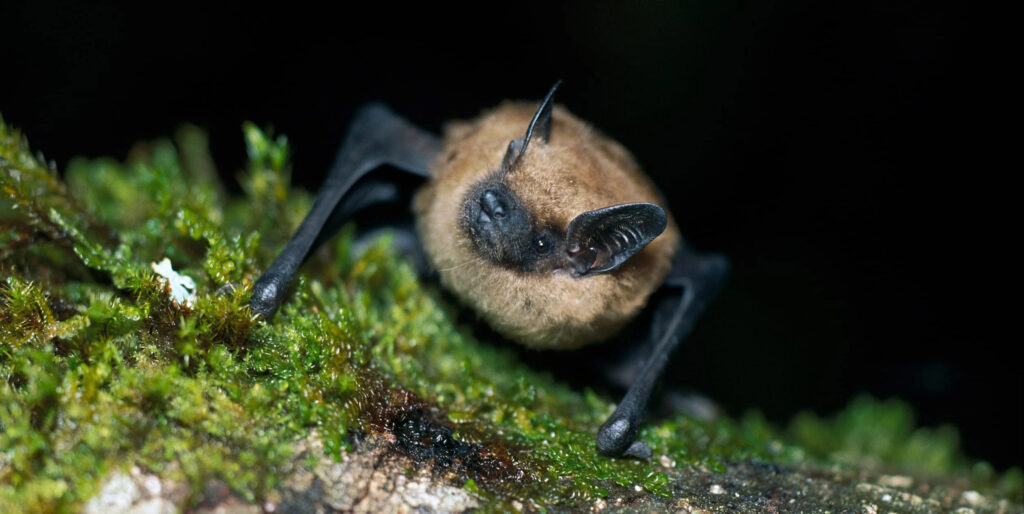
A big brown bat, which ranges all the way from northern Canada, throughout the U.S., and down to southern Mexico. Image courtesy of www.batcon.org.