It is mid-August, which means we are heading into late summer. This is both a rewarding and a busy time for gardeners. The harvest of garden crops is in full swing, and with the very warm and overall dry conditions, there is constant work to keep plants happy and the vegetable garden productive.
The New York Botanical Garden says that in addition to harvest and garden maintenance, this is the time of year to order spring-flowering bulbs, which will be planted in the fall. Ordering early ensures that the varieties you want for next spring will be available. Popular bulbs can sell out fast. This is also a great time to assess your garden for areas that may need additional planting. The summer of 2025 has been helpful in learning which plants hold up well in dry conditions and which ones don’t. Fall is a great time to plant trees and shrubs, as the weather cools and rain, hopefully, becomes more frequent. Think now about what you might want to plant in the coming weeks. Take notes and photographs for future reference.
If you are dealing with very dry conditions, use water-wise horticultural techniques. The New York Botanical Garden (NYBG) says to water the most important plants first. Most lawns have gone dormant as I write this column – don’t worry – they will green up again when the rain returns. Weeding continues to be important, as weeds will steal moisture and nutrients from garden plants. Moisten and aerate your compost pile to speed up decomposition. You can never have enough compost, and organic material added to the soil is super helpful in retaining moisture.
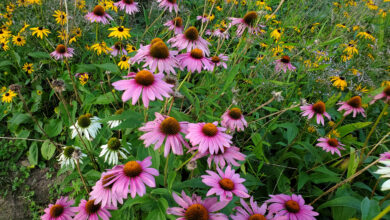
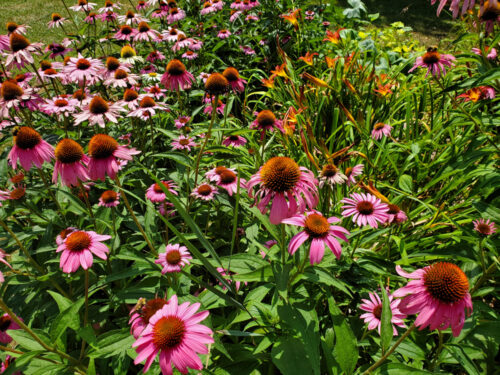
You can deadhead perennials to encourage additional blooms as we move into autumn. Keep an eye out for pests and disease and treat accordingly. Help hummingbirds by putting out a feeder for them and consider cutting flowers for drying. Dried flowers are lovely through the fall and winter months indoors and look great in holiday wreaths, swags, centerpieces, and in Christmas trees. Yarrow, strawflower, gomphrena, and cockscomb are all great candidates for drying.
Planting is an option at any time during the garden season. Late summer is the time to divide bearded iris and increase your blooms next year. Remove parts that have suffered damage from borers. Think about late-season annuals – ornamental cabbage and kale look amazing with pumpkins and will hold up in the cold. Seeds of late-season vegetables, such as beets, carrots, and turnips, can be planted, and the NYBG advises that all evergreens – both broad and needle-leaved – can be planted through October 15. Be sure to water plantings well.
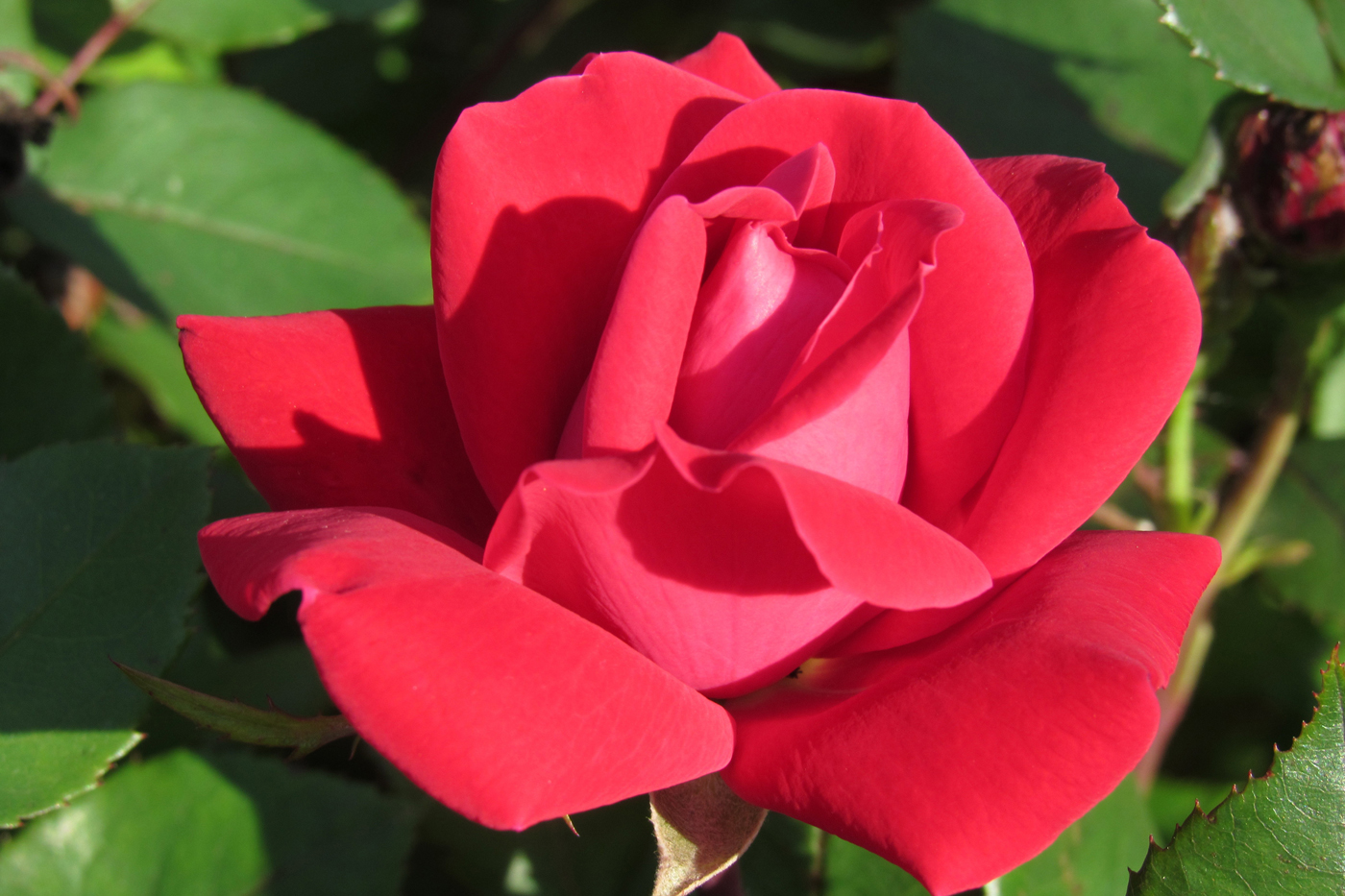
Other garden chores include pruning summer-fruiting raspberry canes to the ground once they are done producing berries. Cut back leggy annuals, and continue to fertilize container plants and annuals through the fall. Deciduous shrubs and overgrown hedges can be lightly cut back, and roses can be deadheaded and fertilized to encourage new growth that will have time to harden off before a hard frost.