The decisions you make right now can have a significant impact on the success of the next growing season.
Crop rotation is a main way to help reduce crop diseases in vegetables. Serious soil-borne fungi, such as Fusarium and Verticillium wilt, can accumulate in the soil by repeatedly planting susceptible crops in the same garden location, according to the University of Wisconsin-Madison Horticulture Program.
Vegetable crops in the same family benefit from being moved around the garden from year to year. Tomatoes, peppers, potatoes, and eggplant are solanaceous crops. Do not plant peppers next year in the same area you grew tomatoes this year, for example, as members of this plant family are susceptible to the same diseases. Other plant families include cucurbits – such as squash, cucumbers, melons, and pumpkins – and cole crops, including cabbage, broccoli, cauliflower, and kale. Make sure to rotate these families into different areas each year and don’t repeat a member of the same family in the same garden spot year after year. Even plants like sweet corn benefit from rotation as they can pull many nutrients from the soil. Planting nitrogen-fixing legumes such as beans in the same spot as corn the next growing season can help replenish the soil.
Be sure to make a sketch and take some notes now to help you remember details for next spring. Show exactly where crops were grown this year and plan your rotation for 2026. The University of Wisconsin advises taking note of disease and insect problems that occurred this year. Think about changes you may want to make in cultivars for 2026, such as trying varieties that offer disease resistance. Also, write down which cultivars did well or varieties you especially enjoyed in 2025 and would like to plant again next year.
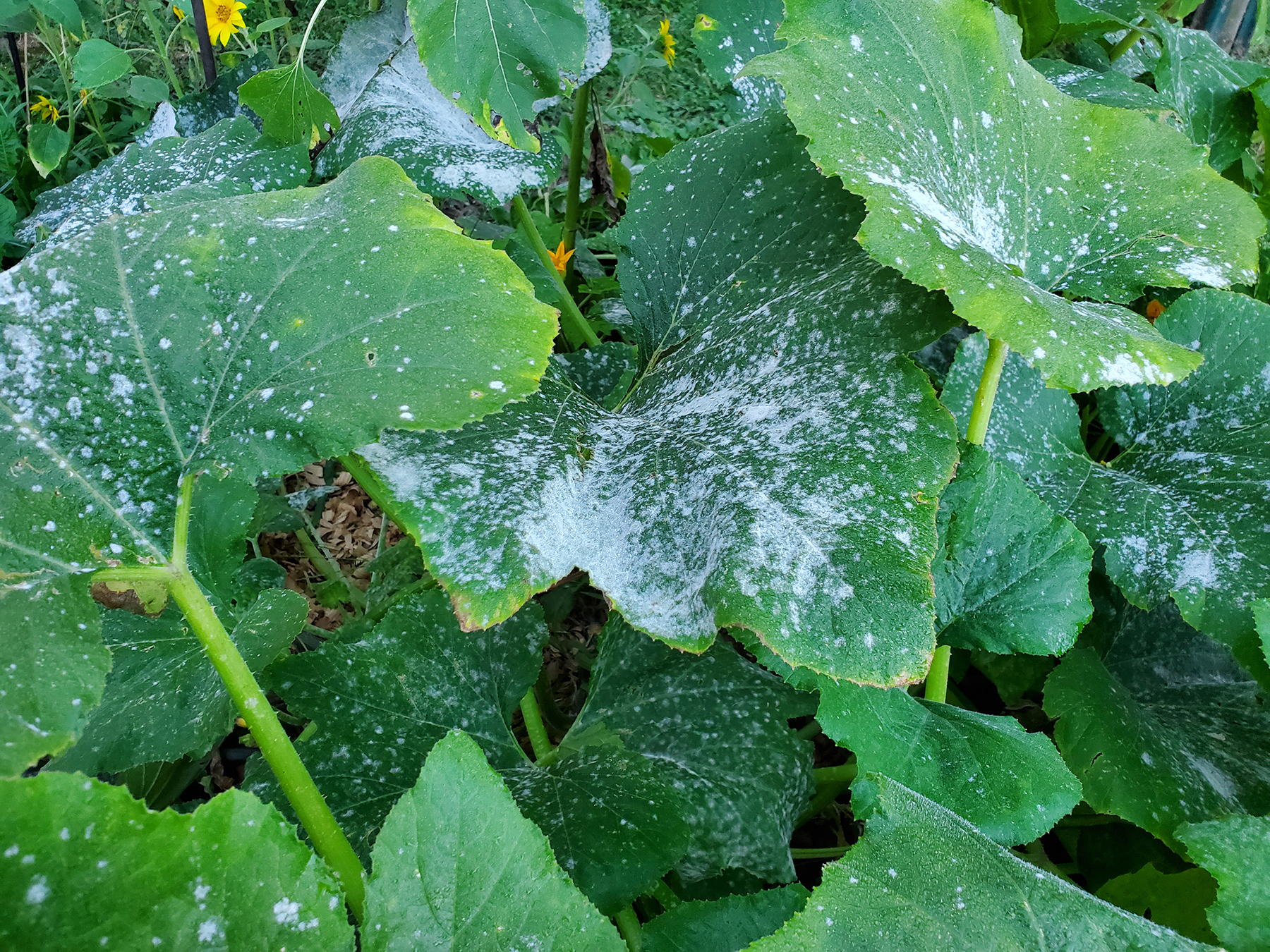
Sanitation is important for preventing disease in your garden. Any plant that suffered severe disease problems should be removed. This is also important for any crops or perennials that suffered a pest infestation. Eggs of pest insects can overwinter in foliage. In contrast to preserving leaf clutter and plant material to help beneficial insects, you work to prevent pest issues by removing affected foliage and plants.
Regarding perennial flowers, you can allow foliage from healthy plants to remain over the winter. This helps to protect the crowns from severe winter cold by allowing snow to collect around them and insulate the plants. The seed heads provide winter interest and food for wildlife. Perennials like peonies benefit from having foliage removed as they are prone to leaf disease that can remain on plant material after the plant has died back for the winter.
University of Wisconsin notes that well-drained, fertile soil is important for healthy plants, which resist disease and insect issues. Late in the year is an ideal time to add compost and organic material to your garden beds, helping to improve the soil. Whether you have heavy clay, sand, or a mix, adding organic material will help. This is because organic material helps create a proper balance of soil water and oxygen, allowing for healthy roots, according to the University of Wisconsin. Disease pathogens tend to thrive in poor soil environments. Additionally, consider replacing the soil in raised beds and containers to create healthy growing conditions for next year.