By Kristina Gabalski
The success of your garden and landscape plantings depends upon good soil conditions. To grow the best garden, knowledge of soil management components such as drainage and fertility is vital. But how much do you know about soil management? Penn State University says the goal of soil management is to meet essential plant needs: water, nutrients, oxygen, and a medium to hold the roots. The things that we do to manage soil impact these components.
A recent article in “Wisconsin Yard and Garden,” published by the University of Wisconsin-Madison Division of Extension Horticulture Program, quizzed readers about their knowledge of yard and garden soils. Here are some highlights of the very useful information provided.
Many of us deal with clay soils, which make it difficult for water to drain. Clay soil is heavy because it has very small pore spaces. The best way to improve clay soil for growing plants is to add compost. This is because organic materials help build soil aggregates and make pore spaces larger. However, if you are planting trees or large shrubs in clay soil, it is best to return the same soil you removed to the planting hole instead of adding organic matter. This sounds like a contradiction to what was just stated about adding organic material to improve clay soils, but the University of Wisconsin-Madison says significantly amending soil or adding gravel to the planting hole may hamper drainage.
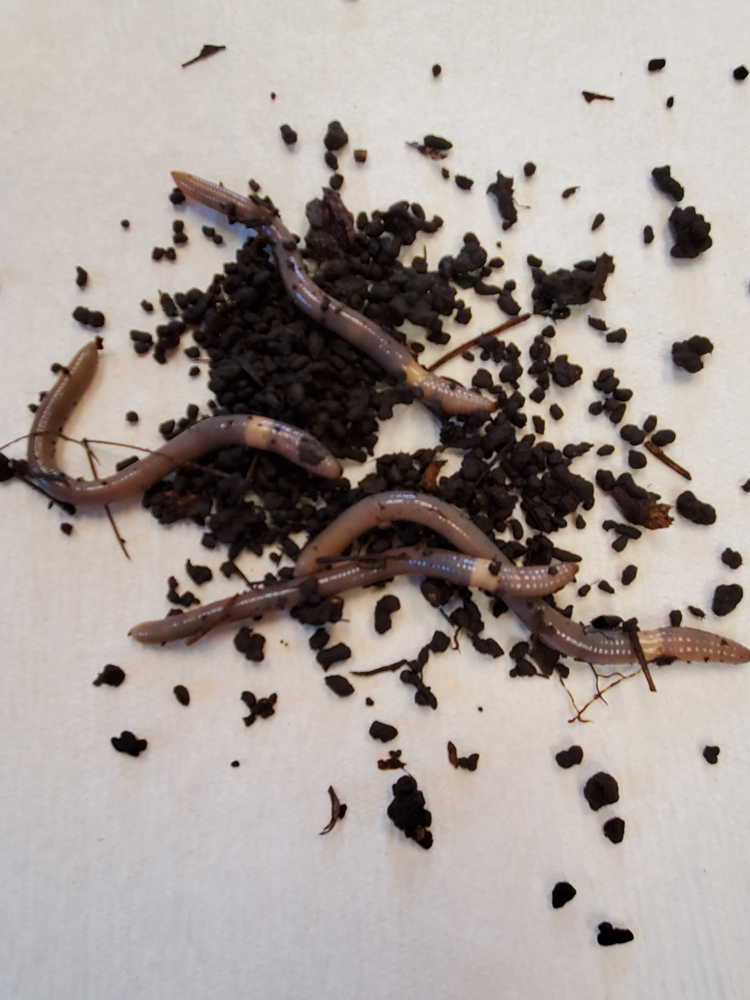
Many organisms such as earthworms, fungi, nematodes, and bacteria live in your soil. Of those, bacteria are the most important in helping with the decomposition of organic materials. This process makes nutrients like nitrogen available to plants. Aerobic bacteria like soils that have a good mix of oxygen and water – just like plants.
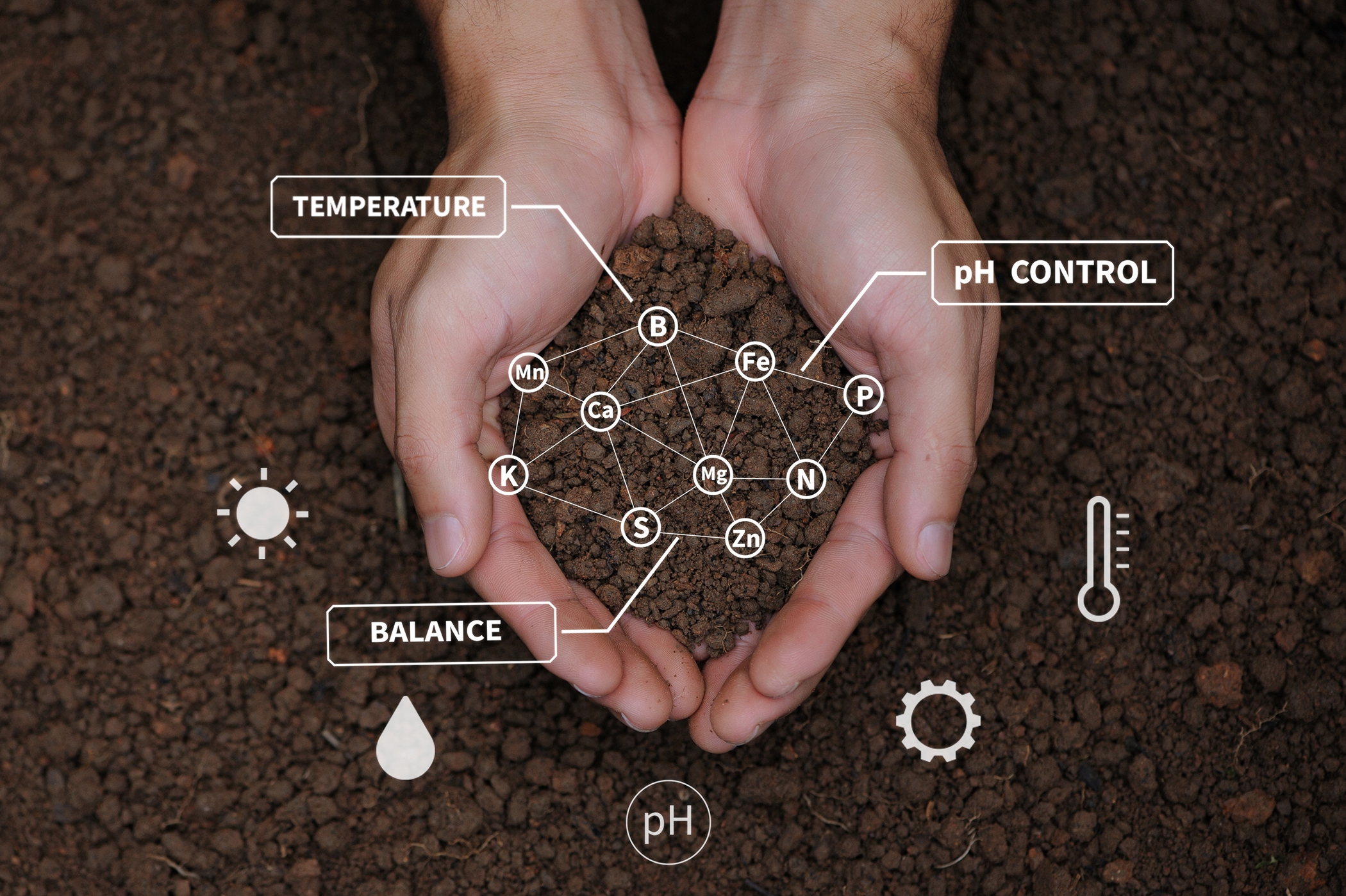
Knowing your soil pH level is important, and autumn is a great time to have your soil tested because you can take corrective action now. Addressing soil pH issues in the fall means your soil can make adjustments by next spring. Most plants like a slightly acidic pH, around 6.5. This helps them access nutrients in the soil. If your soil pH is above 7, it is alkaline. Lower it by adding sulfur. If your soil pH is below 7, limestone is used to raise pH.
Potassium, nitrogen, and phosphorus are soil nutrients. Each nutrient helps plants in different ways. Nitrogen is associated with the green color of plants as well as their vegetative growth. It makes chlorophyll, helping the plant to turn water and carbon dioxide into food. Nitrogen helps with the transfer of energy and helps build proteins and DNA.
Phosphorus supports root growth and flowering in plants. It forms a critical part of DNA and RNA, which carry genetic codes and help convert sunlight to usable chemical energy through photosynthesis and respiration.
Potassium can help plants tolerate stress such as drought, extreme temperatures, pests, and disease. It strengthens cell walls, regulates water movement (preventing wilt), and triggers enzymes responsible for plant growth, protein synthesis, and energy production.
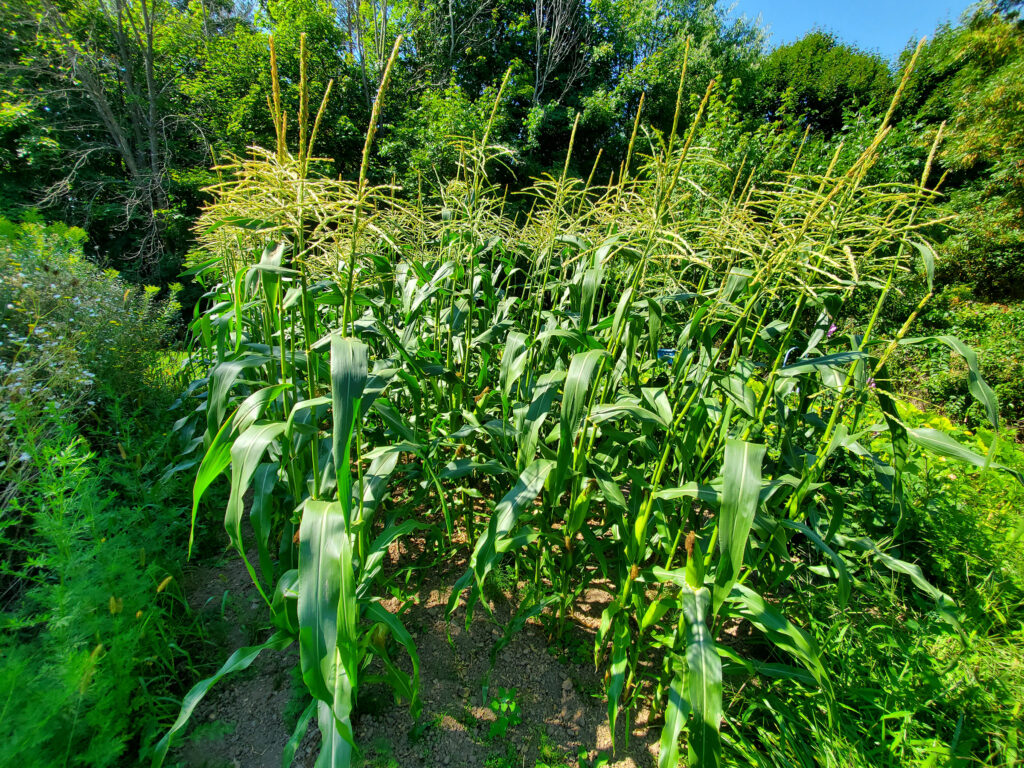
For the most successful garden, soil management is important, but how much do you know about your garden soil? Photo by Kristina Gabalski.