If you are growing fruits and vegetables, you have probably already started harvesting. Summer begins what is certainly the most rewarding and delicious time of the year for those who grow at least some of their own food. Nothing beats home-grown produce, harvested, prepared, and enjoyed within a wonderfully short time frame. Cherry tomatoes and fresh berries might not even make it into the house before they are consumed.The University of Wisconsin-Madison Extension has several tips for the best times to harvest garden produce at its peak.
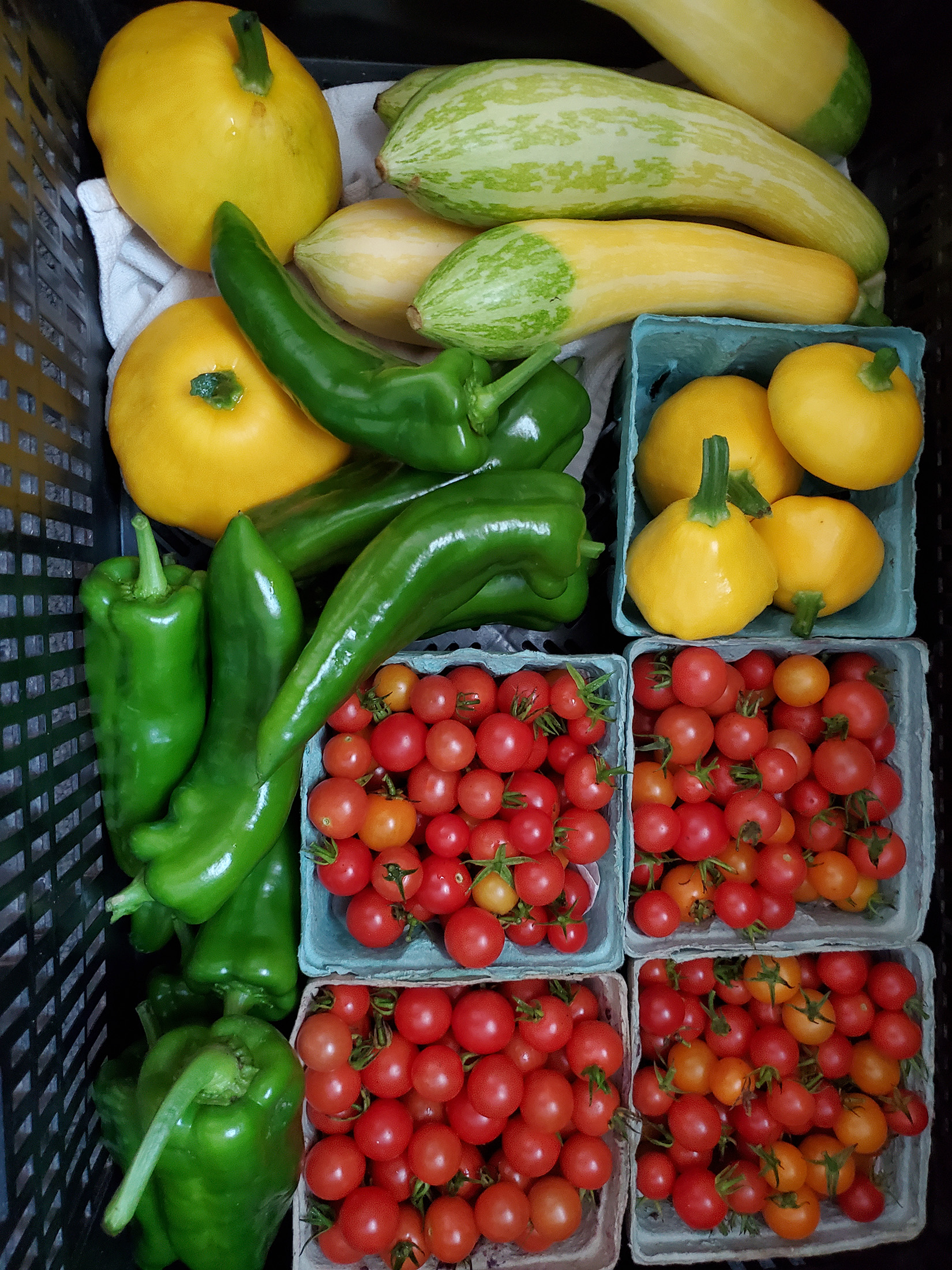
Tomatoes are one of the few garden crops that can ripen off the plant, which means you have the greatest flexibility in harvesting your tomatoes. It is easy to see when tomatoes have reached their peak ripeness on the vine. As the season winds down, you can harvest tomatoes before they are ripe, especially to prevent them from being damaged by frost. The University of Wisconsin-Madison Extension advises against placing tomatoes on a sunny windowsill to ripen. The hormone ethylene drives tomato ripening. Tomatoes produce and emit ethylene, so placing them in a paper bag at room temperature will help the ethylene to do its job.
It can be more difficult to decide when to harvest vining crops. Summer squash, including zucchini, are the easiest. Pick at the size that most appeals to you, but remember, smaller fruits are higher quality than larger ones. With cucumbers, the decision on when to pick is similar, but it can vary depending on which cultivar you are growing. Overripe squash loses taste and quality quickly. By harvesting these crops frequently, you will help the plant keep producing fruit all summer.
Melons are more difficult. If you are growing cantaloupe, the fruit should easily come off the vine at the point of attachment. Be patient; you should not have to tug it off the vine. Watermelons are among the most difficult crops to decide on the peak harvest time. The University of Wisconsin-Madison Extension says to look for a yellowing or pale colored spot where the fruit sits on the ground. Overall color should be dull, and the outside skin should resist thumbnail penetration. Curly vine tendrils near the fruit should also be starting to wither and brown.
Beans are harvested based on the type you are growing. For fresh snap beans, harvest when the pods are firm, crisp, and elongated, but the beans (seeds) should not be significantly developed. Lima beans are harvested once the seeds have fully developed, and the pods are plump and firm. If you are growing dry beans, you will wait to harvest until after the plants have died back at the end of the growing season.
Carrots also vary by cultivar as to the best time to harvest. The roots should be one-half inch in diameter. Adequate spacing is important for carrots. You don’t want to be disappointed by narrow, low-quality carrots at harvest. When I grow carrots, I typically wait until late in the growing season to harvest. The best carrots I ever grew, I harvested during a January thaw for pot roast. Enjoy your harvest!