by David Crumb,
Parma Hilton Historian
In celebrating the 200th anniversary of the Erie Canal this year, another family that came to Parma by way of the Erie was the Collamer family. They also had a road named for them, and several descendants still reside on Collamer Road. The family migrated to Parma between 1847 and 1848, when they left Ballston Spa, a suburb of Saratoga Springs, NY.

In reviewing the Collamer story authored by Richard Collamer Close and Joan Sullivan in 2007, it was noted that 27-year-old Nelson Collamer drove a team of horses from Troy, New York (near Albany), to Parma in 1848. He had placed his wife, Hannah, and three small children, John B., aged 5, Luther, aged 4, and William, a baby, on an Erie Canal packet boat at Troy.
Nelson, with his team and wagon most likely laden with tools and other necessary supplies, preceded them to their destination of disembarkation at Spencerport. The canal trip took a month.
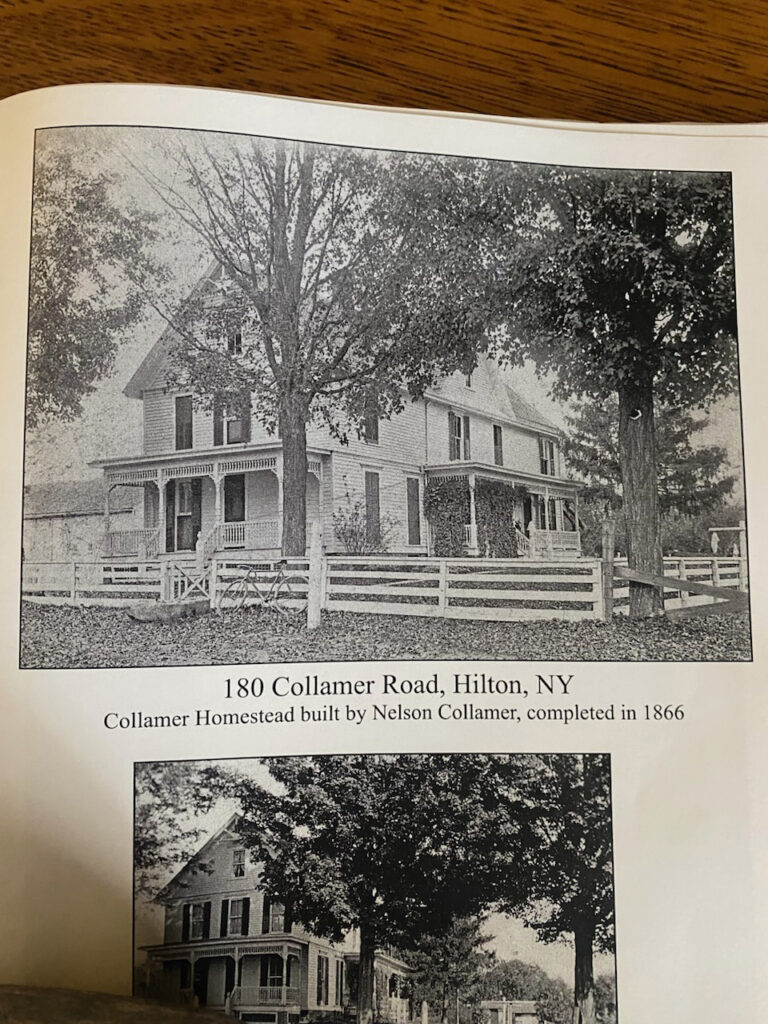
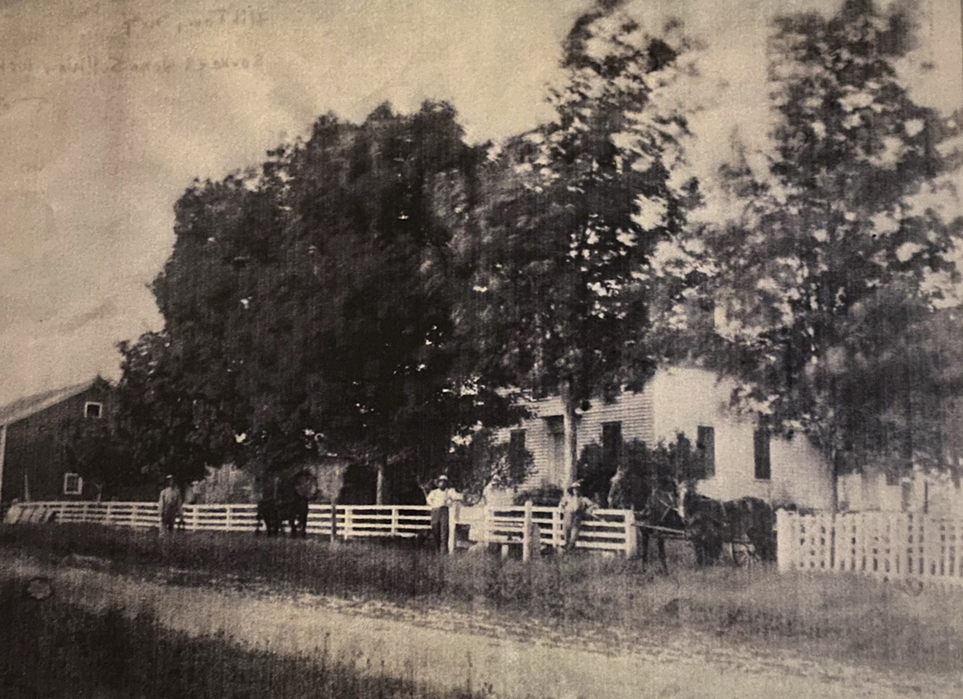
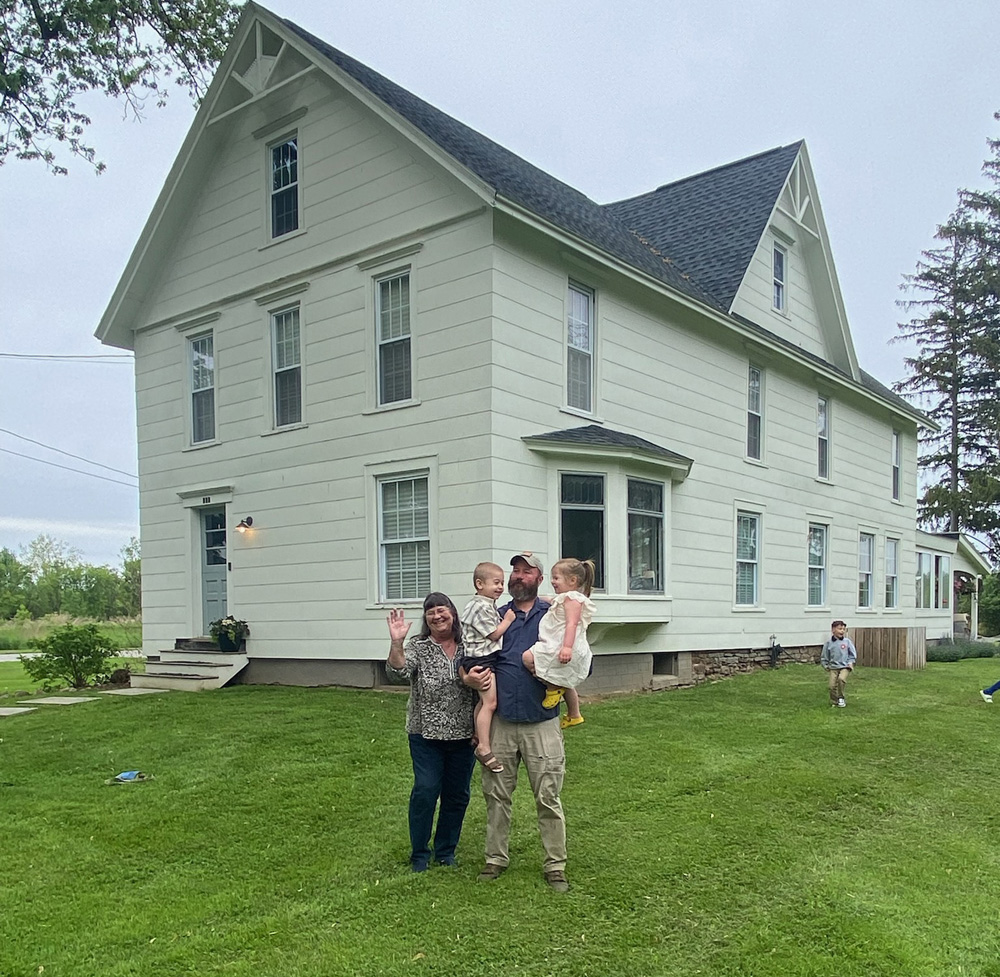
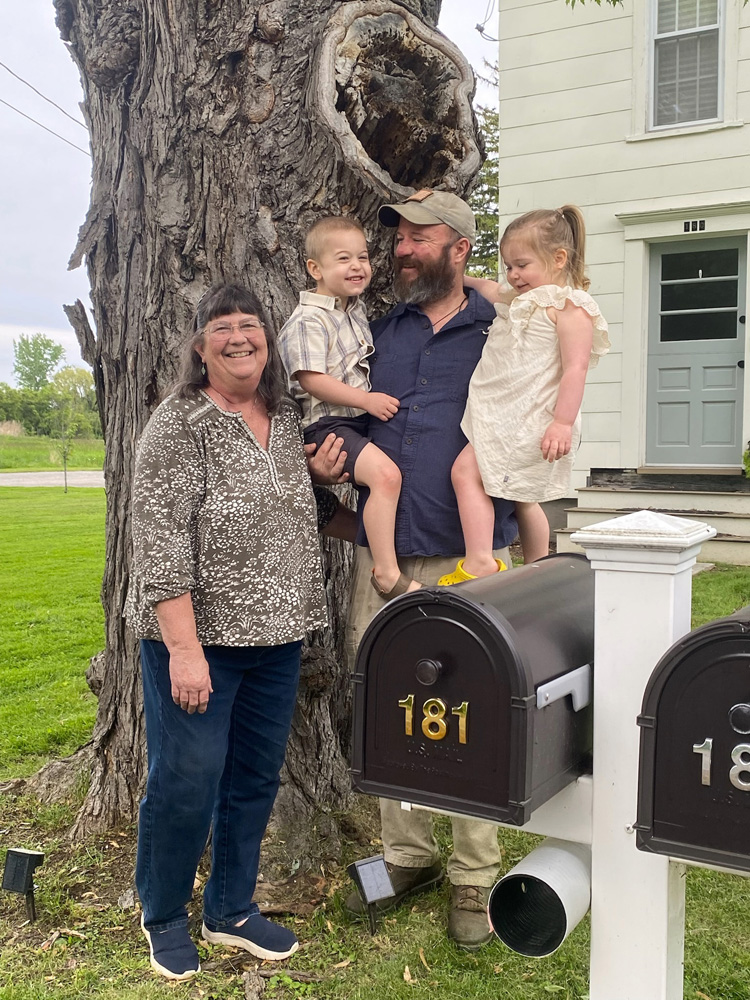
They had heard of the rich plains bordering the southern shore of Lake Ontario. Their first farm was located on the south side of Curtis Road, near Braddock Bay. Unfortunately, mosquitoes infested the area in the summertime, and Hannah contracted Malaria. Soon after, they relocated inland to a farm on a road that was later named Collamer Road after them. The family has lived there for several generations, and the old homestead still stands at 180 Collamer Road. It is now owned by Mr. and Mrs. Cameron Knaub who are restoring the home.
As their story unfolds, one day, Nelson went to Rochester to attend a horticultural show and returned home with a few fruit trees. His wife was pleased and suggested he return for more, which he did. That was the beginning of the Collamer fruit farm. As they grew up, sons John B. and Luther were involved in planting many orchards. It was noted in Shirley Husted’s book, Parma N.Y, The Hub of the Universe, that in 1859, the Collamer and Tenny families set out the first commercial apple orchards in Western NY, located on their respective Collamer Road farms.
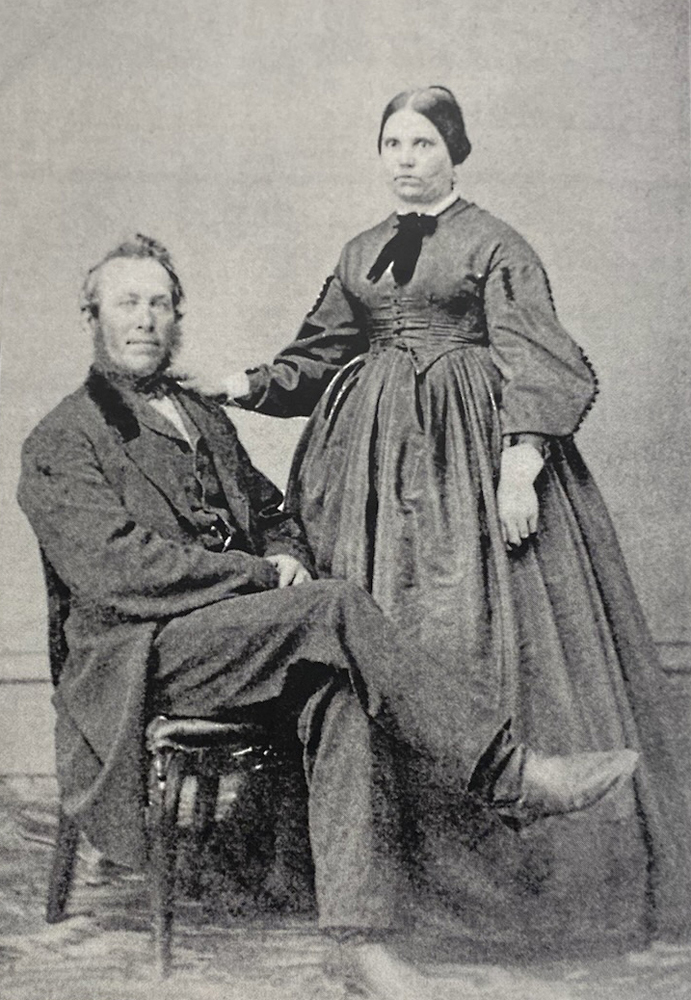
Both Hannah and Nelson passed away in the 1860s, but sons John, Luther, and William were well-educated and experienced as orchardists. They all acquired separate farms. John B. purchased the homestead farm, and Luther bought a hilltop farm on Curtis Road (recently known as the Gioia farm and presently as Zigler’s). William acquired a farm on Parma Hamlin Townline Road.
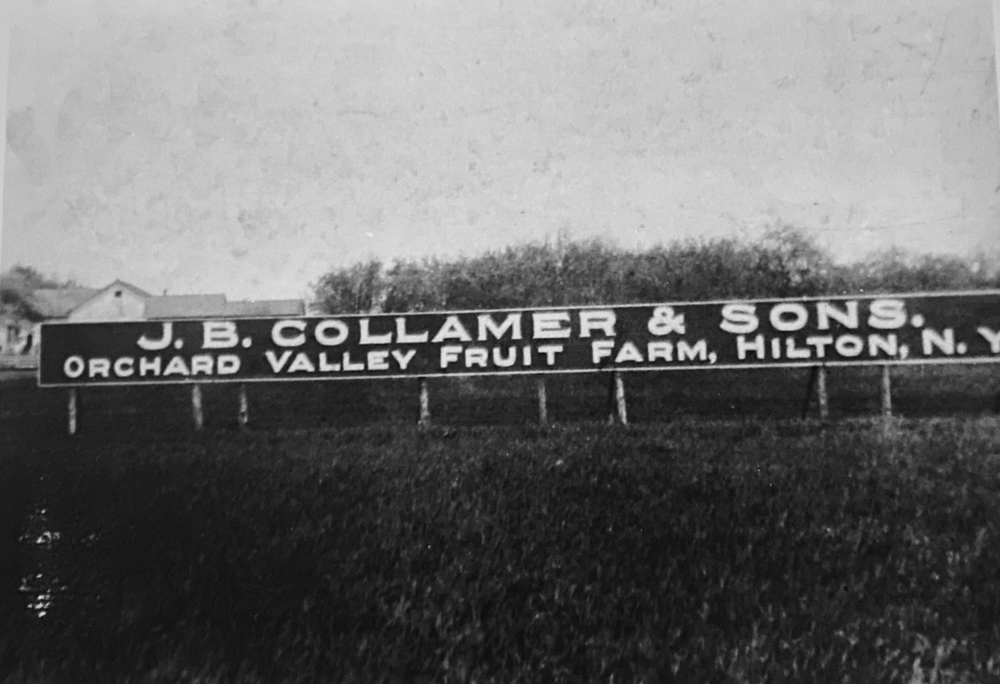
In 1876, the Rome, Watertown & Ogdensburg Railroad opened along the lakeshore, and quickly, new markets opened, and business opportunities abounded. As luck would have it, the railroad cut through the south end of Collamer land. A cold storage was built by the tracks in 1906 and a railroad siding was constructed next to the building. The location became known as Collamer Siding. The cold storage was used to store, process, and ship fruit, but predominantly apples.
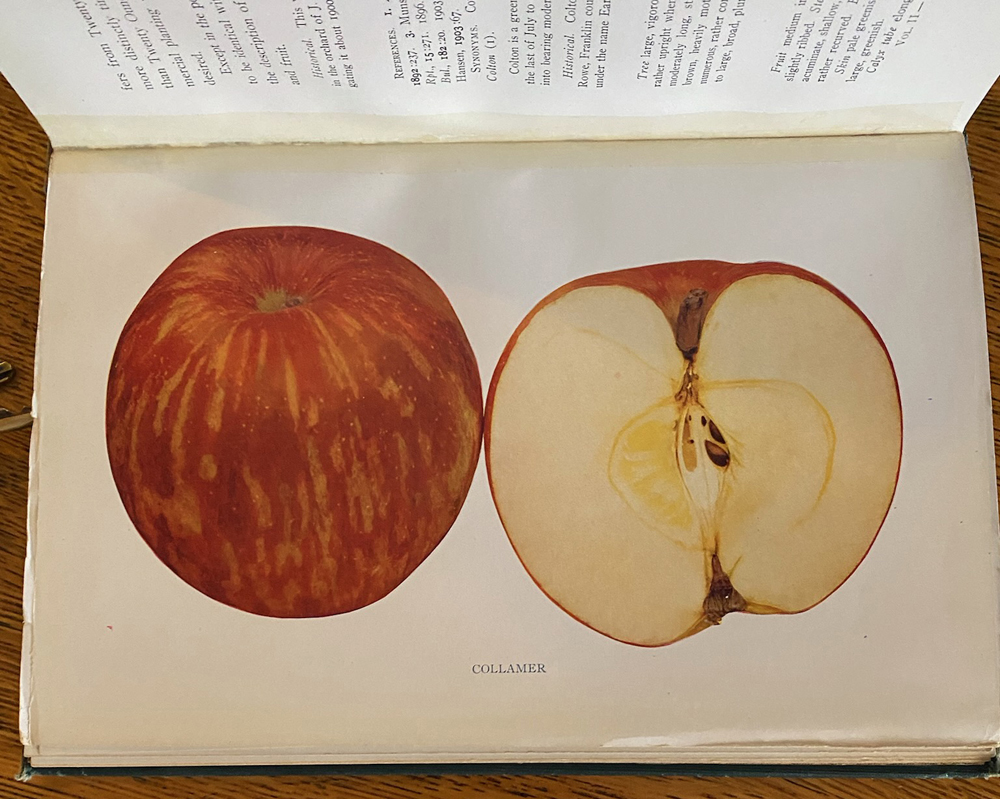
John planted many apple varieties, but the one that the family became famous for was the Twenty Ounce apple, which later was perfected into the Collamer Apple and is featured on page 37 in Volume 2 of Apples of New York, published by Cornell University in 1905. The Collamer was a very large apple with a pink blush that made great pies and applesauce.
Luther, on his hilltop farm on Curtis Road, was known for his Greening and Baldwin apples.
John B. Collamer died in 1906, and his sons, Eugene and George, took over the farm and added additional acreage. Later, their sons Stuart, John, Warren, and George took over, successively running the business. From 1910 to 1960, Parma was covered in apple, cherry, peach, and other fruit trees. In the spring, the land bloomed with blossoms for a few weeks, and there was a bountiful harvest in the fall. Being near Lake Ontario had its advantages in addition to fertile soil. The long spring protected the trees from early frost, and the long fall allowed for an extended growing period and harvest.
A major catastrophe occurred in 1934 when an early December freeze dropped temperatures to 32° below zero before the sap had gone to the roots of the trees. Old-timers recalled hearing the sharp cracks, sounding like gunshots, of the trunks splitting in the midnight hours. More than half of the trees in Parma were destroyed. Old orchards were taken out and new trees planted, but it was never the same. Today, Parma is fortunate to have a few orchards left, but most agricultural land is now used for cash crops.
There are still Collamer descendants who enjoy the legacy of their ancestors. Susan Collamer Toal still resides on Collamer Road. She and other Collamer cousins often reminisce about their years growing up on Collamer Road and remember the brisk apple business of the 1940s, ‘50s, and ‘60s. Richard Collamer Close of Florida produced an excellent history of the Collamer family, from which I obtained much information for this article.
Photos provided by the
Parma Hilton Historian’s Office