By Kristina Gabalski
Spring is officially here – even though it seems we can’t get two nice weather days in a row. The garden to-do list is long and can be overwhelming at this time of year, particularly after a harsh winter has left debris and damage everywhere.
Here is some guidance from Iowa State University Extension and Outreach that will help you organize and prioritize your tasks.
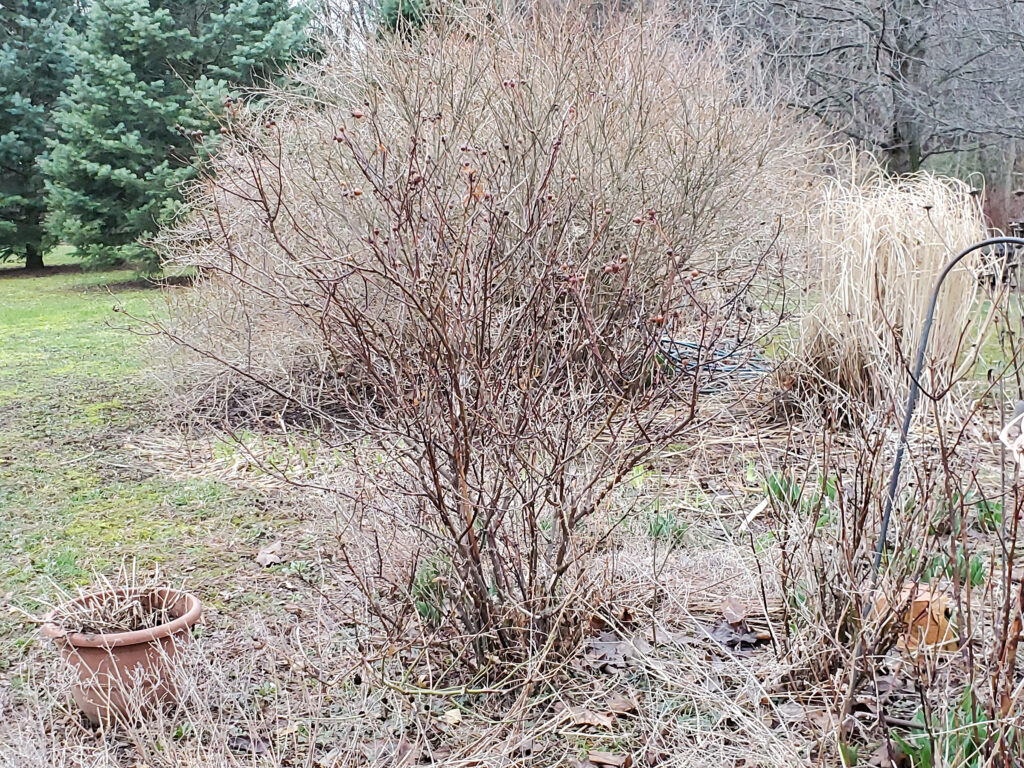
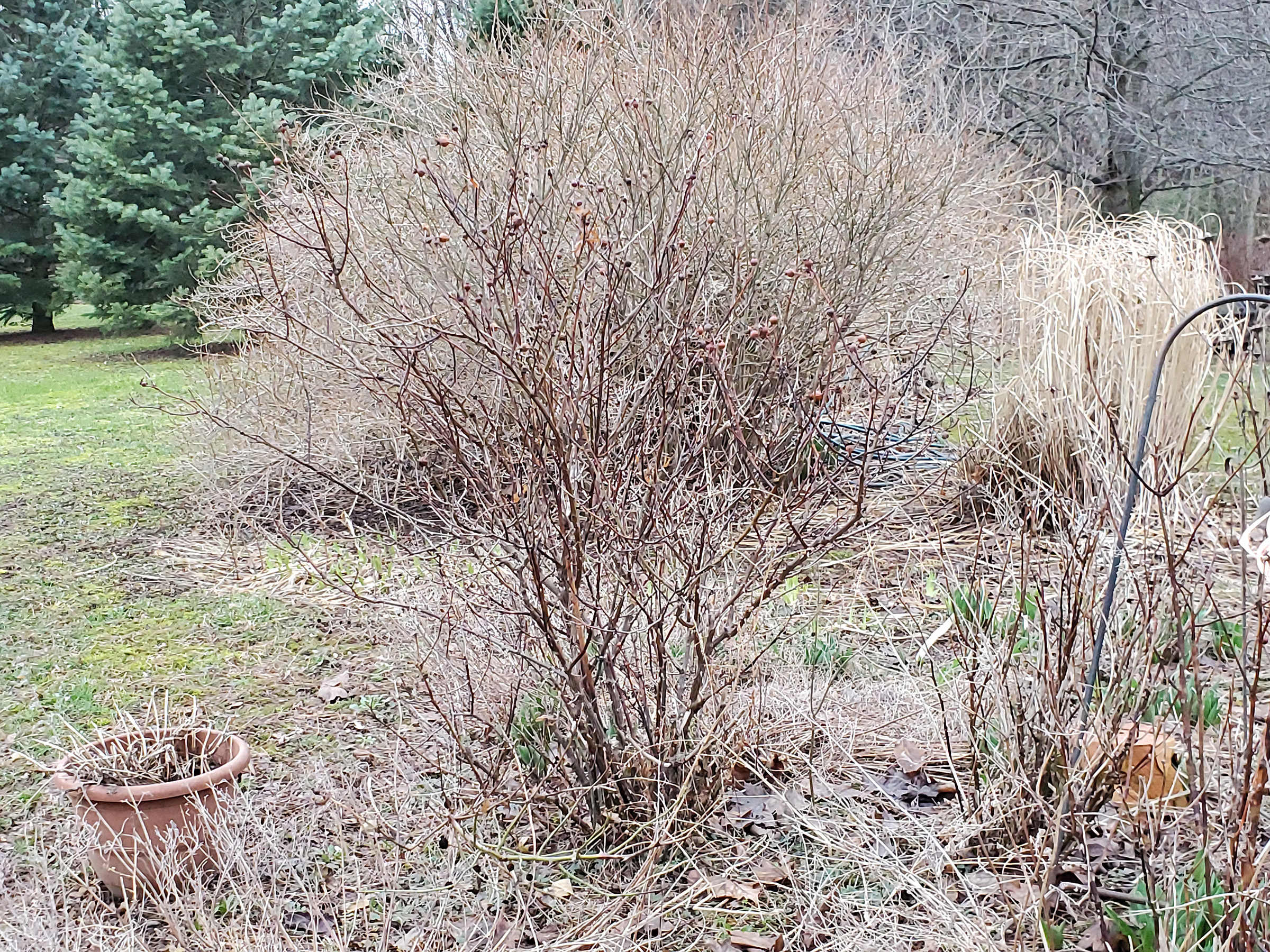
Right now, my garden beds look horrible. We never finished cleaning up the vegetable and cut flower gardens because the weather turned wintery so early last fall. The perennial beds and borders are also a mess. I find it stressful to walk around the yard and see all the work that needs to be done and the lack of time available to do it. I know I need a strategy to make the most of my time and to ensure jobs are done correctly.
One of the first jobs to prioritize is cleaning up perennial beds. Many experts advise waiting, as some beneficial native insects use plant debris and dead stems to overwinter. It can be hard to resist the urge to start cleaning up beds, especially on those beautiful spring days. Iowa State University says clean-up work can begin in March and April, but if you want to help insects, wait until temperatures are consistently at 50 degrees F. Iowa State University admits the jury is still out regarding how impactful waiting to clean garden beds is regarding insects. They note some research shows the impact is minimal, so don’t agonize if there is work you need to get done. But Iowa State University also says that every little bit helps if you can wait.
When garden clean-up begins, start by removing dead foliage and accumulated leaves from plant crowns. This not only improves appearance but also helps prevent smothering. Material can be removed from the bed and placed in a compost pile or moved to spaces between plants to act as a mulch. Iowa State University notes that ornamental grasses, iris, hardy hibiscus, and tall sedums in particular benefit from clean-up.
If you added mulch “blankets” last fall to protect newly planted perennials or plants that are prone to frost-heaving, they can be removed. If the lower layer remains frozen, remove the top layer that has thawed.
Work carefully so that you do not damage new foliage from both emerging spring bulbs and perennials. Avoid garden work on rainy days or if the soil is wet. This will cause soil compaction. I saw a gardener tilling their vegetable patch right after recent heavy spring rains – not something you want to do. Wait until the soil dries out and conditions begin to warm.
One job that can be great to get out of the way early in the season is adding support structures for perennials. Plants like peonies benefit from support, and the best time to do this is before the plants get tall. Now is also a great time to refresh garden edging. Reset edgings that have been heaved out of place during the winter, Iowa State University says. Cut sod to create a fresh, clean edge. If you plan on enlarging perennial beds, now is a good time for that job, too.