By Kristina Gabalski
Happy Mother’s Day to all the moms out there! Hopefully, you either gave or received a garden-related gift that will keep on giving well into the beautiful growing season ahead!
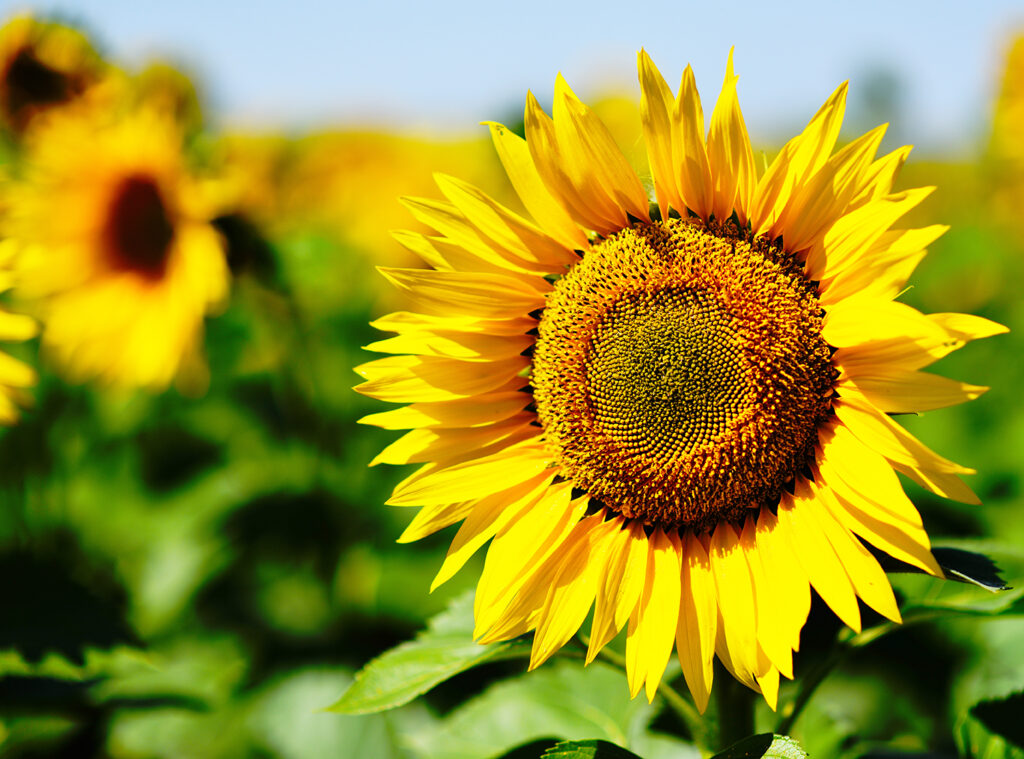
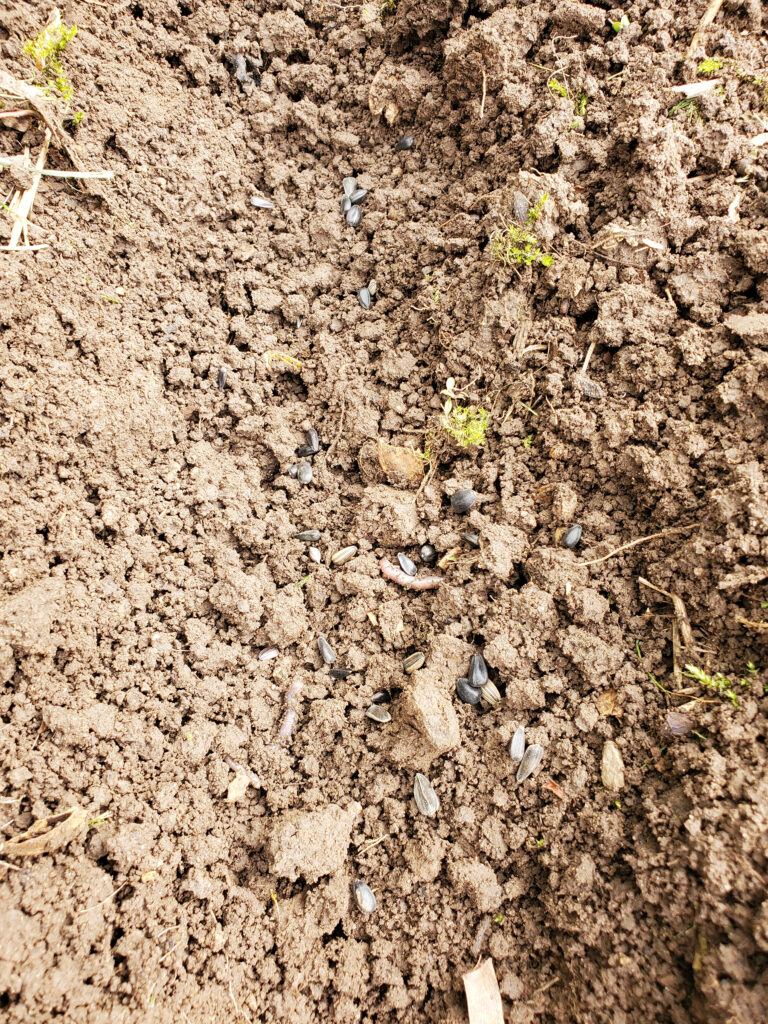
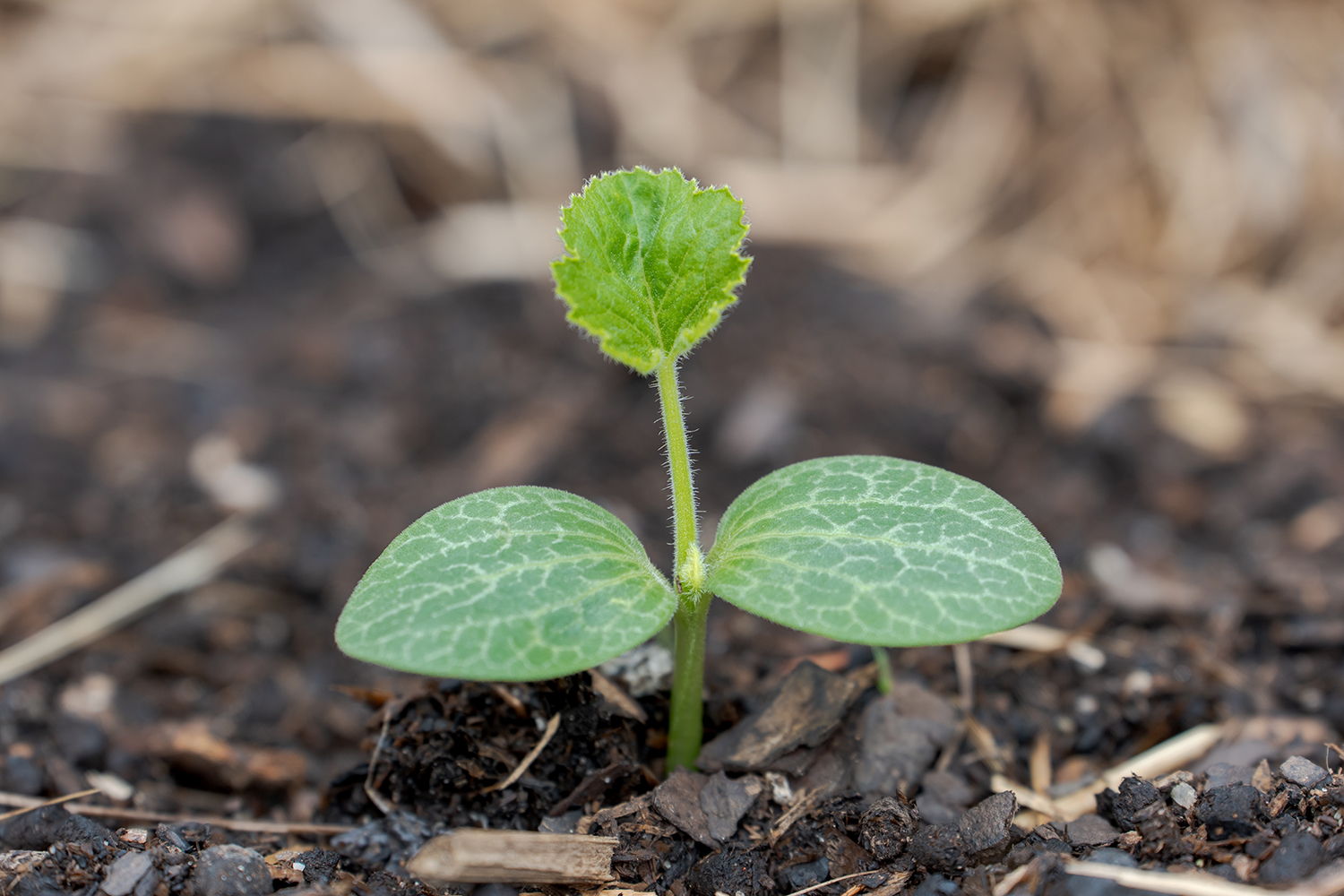
If you received seeds to plant, you are one lucky mom! Here are some tips for direct seeding in the garden. Direct seeding is my favorite way to plant most garden vegetables and cut flowers. It is the process of placing the seed directly in the garden soil. Many plants are very easy to grow from seed, including sunflowers, zinnias, beans, peas, corn, and cucurbits such as pumpkins and squash. Even some tiny seeds like amaranth germinate very well when sown directly in the garden. Young amaranth leaves can be added to salads, and I love including the blooms in late-summer flower arrangements.
Other crops, like carrots, are best sown directly in the garden, but can be more challenging to germinate and grow. Tomatoes and peppers are great for starting indoors, then transplanting in the garden or purchasing transplants from the garden center.
Timing is crucial for direct sowing. University of Wisconsin-Madison Extension says most generic seed-planting advice is based on the average last frost date. However, that date can vary and depends on the air temperature, not the soil temperature. A better way to gauge planting time is to test the soil temperature.
Air temperature can change drastically at this time of year, as we all know. Soil temperatures warm up much more slowly because of soil mass and moisture content, UW-M Extension says. Also, many factors can affect soil warm-up – black plastic, clear plastic, and raised beds, for example, help warm the soil faster.
Seeds break their dormancy in response to temperature. University of Wisconsin – Madison Extension notes that yellow pear tomato seeds that were dropped last season in the garden and survived the winter will begin to sprout when soil temperatures reach 70° F. This protects them from sprouting when air temperatures periodically warm up in March. Planting too early in cold soil can cause the seed to rot. If the seed germinates, it will take longer to grow and may result in stunted plants that are more susceptible to disease.
University of Wisconsin – Madison Extension advises purchasing a soil thermometer to test soil temperature, taking readings at the same time of day (preferably late morning) for three days in a row. If you don’t want to purchase a soil thermometer, practice patience. Even if you end up planting seeds late, the warmer temps will help them catch up quickly.
Here are some minimum and optimal SOIL temperatures for seed germination, according to UW-M Extension:
- Beets – minimum soil temp, 45° F; optimum soil temp, 85° F
- Lettuce – minimum soil temp, 45° F; optimum soil temp, 75° F
- Spinach – minimum soil temp, 45° F; optimum soil temp, 70° F
- Corn – minimum soil temp, 55° F; optimum soil temp, 95° F
- Squash – minimum soil temp, 70° F; optimum soil temp, 95° F
These are just a few examples, but they make it clear that warmer soil temperatures will help the healthy germination of direct-sown garden seeds.
One more thing. If you are looking for a fun late-spring opportunity to learn more about encouraging bees, birds, butterflies, and making the most of native plants in your garden, consider attending “Gather and Grow” on Saturday, June 13, in the Duryea Room of the Seymour Library in Brockport. The event runs from 10 a.m. to 12:15 p.m. and includes workshops on native plants vs. non-natives, the real-world use of natives in our landscape, and maintaining natives in a real-life setting. I will be speaking along with Nick Bell, Hannah Beall, and Jennifer Haytock. The event is free, but reservations are required and can be made at Sara’s Garden Center in Brockport.