By Kristina Gabalski
In the last column, we focused on the importance of soil temperature in directly sowing seeds in the garden. Making sure soil temps have warmed is vital for the success of growing garden vegetables, herbs, and flowers from seed. Here are some additional tips that will help make your efforts successful and lead to a bountiful harvest.
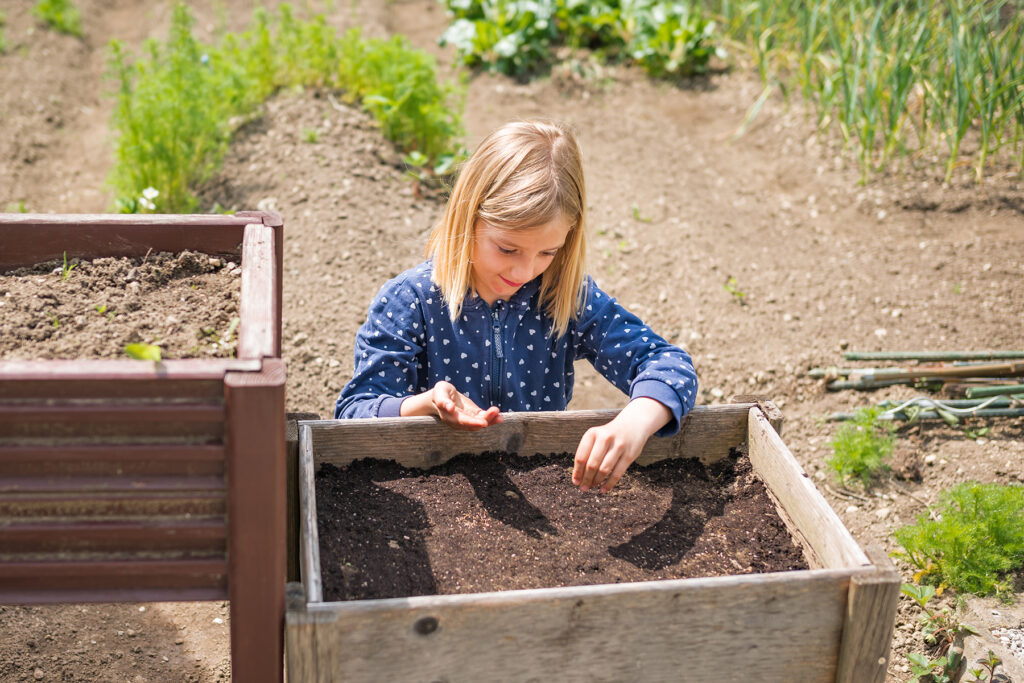
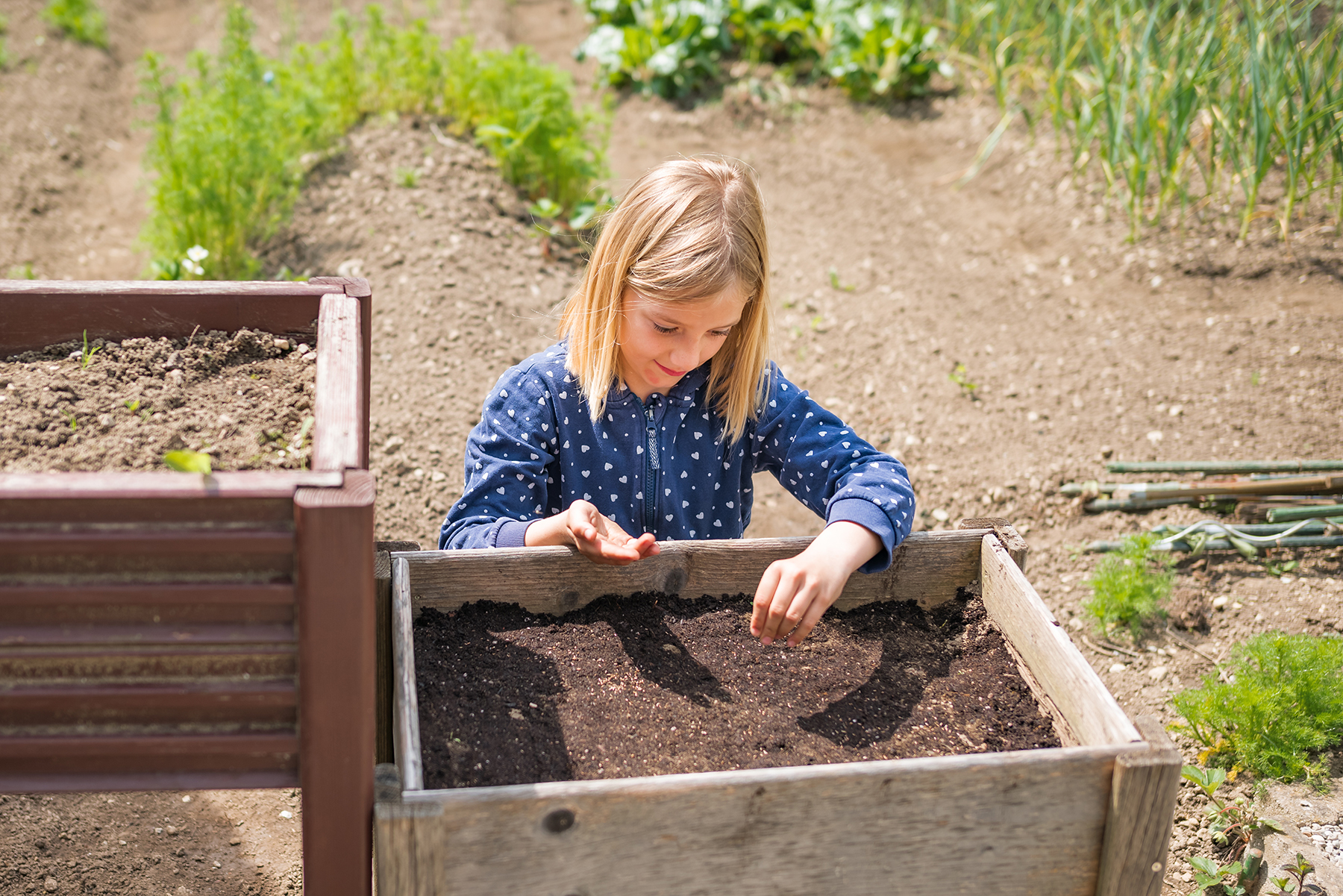
Make sure you are planting seeds (or transplants, for that matter) in well-drained soil. Low-lying, poorly drained soil is not good for seeds or plants. If you have drainage issues in your yard, use raised beds. In addition to helping with drainage, raised beds are great for many reasons, including warmer soil temperatures earlier and later in the season, and the ease of maintenance and harvest. Check the seed packet to make sure you are planting the seeds at the proper depth and spacing. University of Maryland Extension says you can mix well-aged compost into your garden beds, but avoid incorporating un-decomposed organic materials such as straw, leaves, or fresh manure before planting. This is because the breakdown of these materials will tie up nutrients in your soil. Manure should always be well-aged before it is used in the garden. You can place straw and leaves along garden pathways to prevent soil compaction and then again as a mulch after plants are well established.
Low seed vigor can be an issue when planting seeds directly. The University of Maryland Extension says this can be the result of the age and storage conditions of the seed, as well as the health and maturity of the plant from which the seed was harvested. Make sure to purchase high-quality seed from reputable seed companies. Buy only what you will use in one or two seasons. Onion, corn, leek, and parsley seeds are especially short-lived. If you have leftover seed, store it in the refrigerator or freezer in small glass containers. You can also place seeds in sealed glass containers and store them in the coolest and driest spot in your home.
University of Maryland Extension says soils that are high in clay – cloddy and compacted soils – inhibit seed germination. Other conditions that can make it hard for seeds to germinate and emerge are plant residue in the top four inches of the soil and soils that form a crust when dry.
In addition to warmth, seeds need air and moisture to germinate. Sow seeds in loose soil with a fine crumb structure. Improve the quality of your soil by adding compost. Do not plant seeds in overly wet soil. You can test if your soil is ready for planting by taking a handful of soil and squeezing it into a ball. Bounce it around in your hand. If the ball falls apart easily, the soil is ready for planting.
The University of Maryland Extension also reminds gardeners that some seeds can take up to 21 days to germinate – germination information is available on the seed packet. Some seeds, like celery and lettuce, need light to germinate and should not be covered with soil. Consider helping seeds along with row covers, cloches, and cold frames, which protect them from inclement weather and wildlife damage. Just as overly wet conditions can adversely impact seed germination, so can a lack of rainfall and warm winds. These weather factors dry out the soil and prevent germination. If conditions are dry, water the seedbed gently to keep it uniformly moist.